
Cloud & Hybrid Infrastructure
Infrastructure your applications can rely on
KawaConnect designs and runs cloud and hybrid infrastructure for businesses in Pittsburgh and the Cleveland area: Microsoft Azure, Proxmox virtualization on hardware you own, and the network that joins them. Whatever we build is monitored and backed up, and its configuration is written down.
Talk about infrastructureLinux & Kubernetes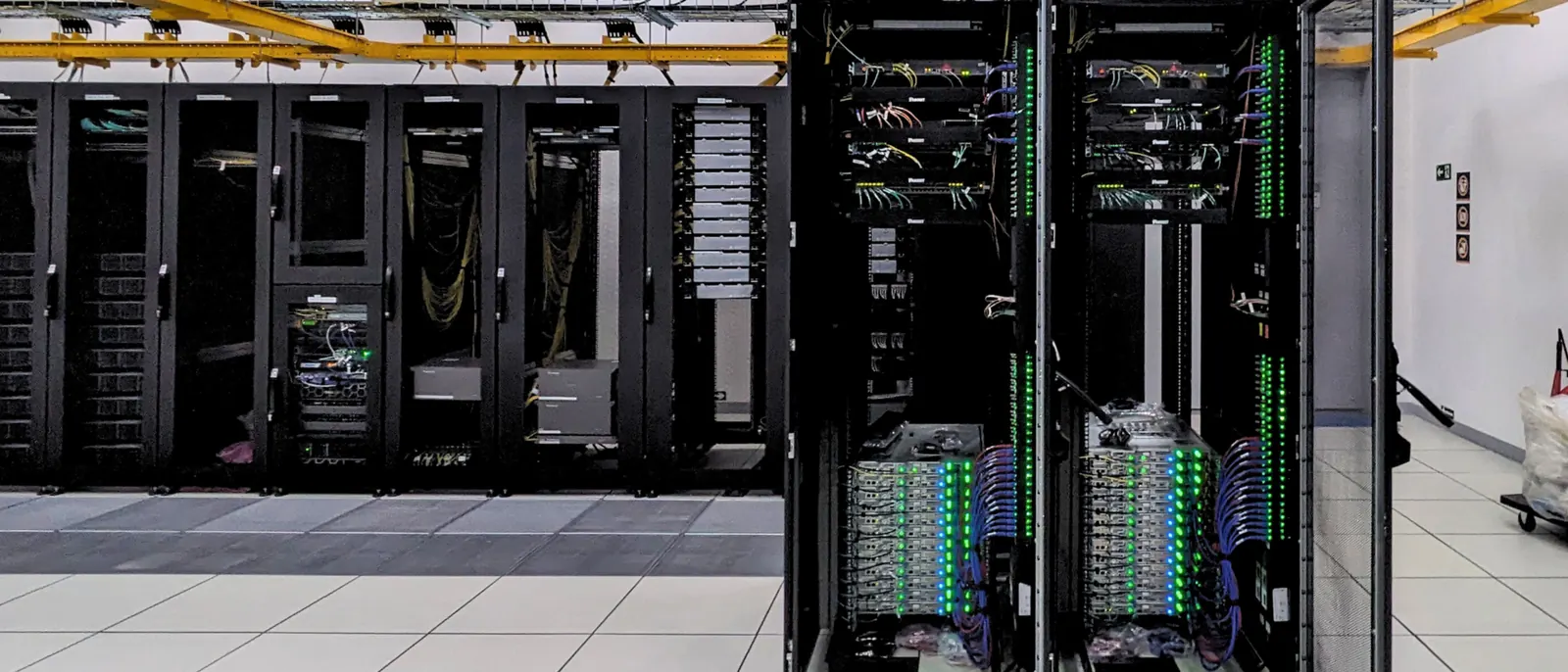
Platforms on this service


What we do
We start by listing what you run today and what depends on it. Then we decide, workload by workload, where each one belongs.
Microsoft Azure
We design, build and operate workloads in Azure, and settle cost, identity and security in the design.
Proxmox virtualization
On-premises virtual machines on Proxmox with shared storage on Ceph, built for high availability.
Networking & VPN
Business networks, Wi-Fi and Tailscale remote access, so staff reach the systems they need from outside the office.
Firewalls & HA
OPNsense firewalls in high-availability pairs, so a single failure does not take the whole site offline.
Migrations
Moves from aging servers or another provider, with documentation and a full handover of access.
Backup & disaster recovery
Offsite backups, tested restores and written recovery steps.
For Linux server administration or a container platform, see our Linux support and Kubernetes consulting.
Deciding what runs where
Some workloads gain from Azure and some run better on hardware you own. We go through them one at a time and write down where each one will run and why.
- Azure: cost, identity and security settled in the design, with a recovery plan for each workload.
- On your hardware: Proxmox VE clusters running virtual machines and LXC containers with high availability and live migration, on shared Ceph storage. Our Proxmox consulting page covers the build.
- Between the two: OPNsense firewalls in high-availability pairs, with site-to-site VPN and Tailscale linking the office to Azure and to remote staff.
Migrations
We plan each move from an aging server or another hypervisor, document it, and hand over full access when it is done. No build is finished without backup and disaster recovery: offsite copies, a tested restore and written recovery steps.
Linux servers and container platforms sit on top of this layer and are covered under Linux and Kubernetes services.
How an engagement works
- Review the current estate. We list servers, applications, storage, network links and what depends on each.
- Plan the target design. A written scope sets out what runs in Azure, what runs on site, the migration order and the recovery plan.
- Build, migrate and document. We implement in stages, check each result, and record the configuration so the next person can run it.
Questions about cloud and hybrid infrastructure
Do we have to move everything to Azure?
No. Many businesses keep some systems on their own hardware and move only the ones that gain something from Azure.
Can you move us off VMware or Hyper-V?
Yes. It is a common reason businesses call us, and we run Proxmox and Ceph for our own infrastructure.
What happens if something fails?
Backups are taken offsite and restores are tested, and the recovery steps are written down so the plan does not depend on one person's memory.
Who it is for
- Businesses running aging on-premises servers
- Teams going hybrid or cloud-first
- Operations where one server outage stops work
- Companies that want their infrastructure written down
Related guides
Plain-English explanations from our knowledge base.
CloudOn-premisesMicrosoft AzureAmazon Web ServicesVirtualizationProxmox VE
Tell us what you run today
A list of your servers and applications is enough to start, even a rough one. On-site visits are by appointment around Pittsburgh and arranged around the project in the Cleveland area.
Start a conversation