CRT recycling and reuse in Pittsburgh, Cleveland and Weirton
KawaConnect collects working CRT televisions and CRT monitors across Pittsburgh and Western Pennsylvania, the Cleveland area and Northeast Ohio, and Weirton and the Northern Panhandle of West Virginia. Working sets go back into use, and we pay for rare professional monitors such as Sony PVM and BVM models.
Tell us what you have Service areas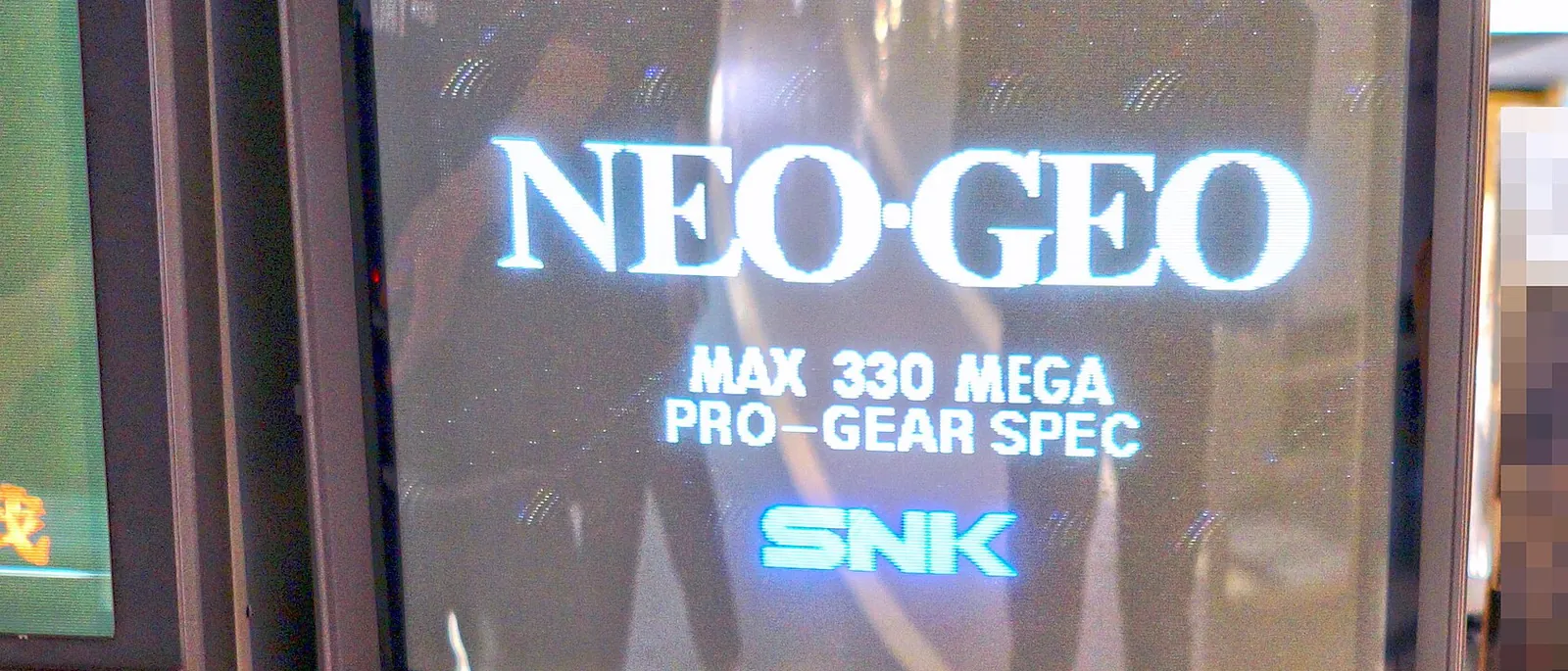
What we collect
We pay for these
- Sony PVM and BVM monitorsTrinitron professional video monitors built for studios and edit rooms, such as the PVM-14M4U, PVM-20L5 and BVM-20F1U.
- Other broadcast monitorsJVC DT-V and TM-H series, Ikegami HTM series, Panasonic BT-H series, and NEC XM multisync monitors such as the XM29.
- Rare PC monitorsThe 24-inch widescreen Sony GDM-FW900 and similar high-end tubes.
We take these, working
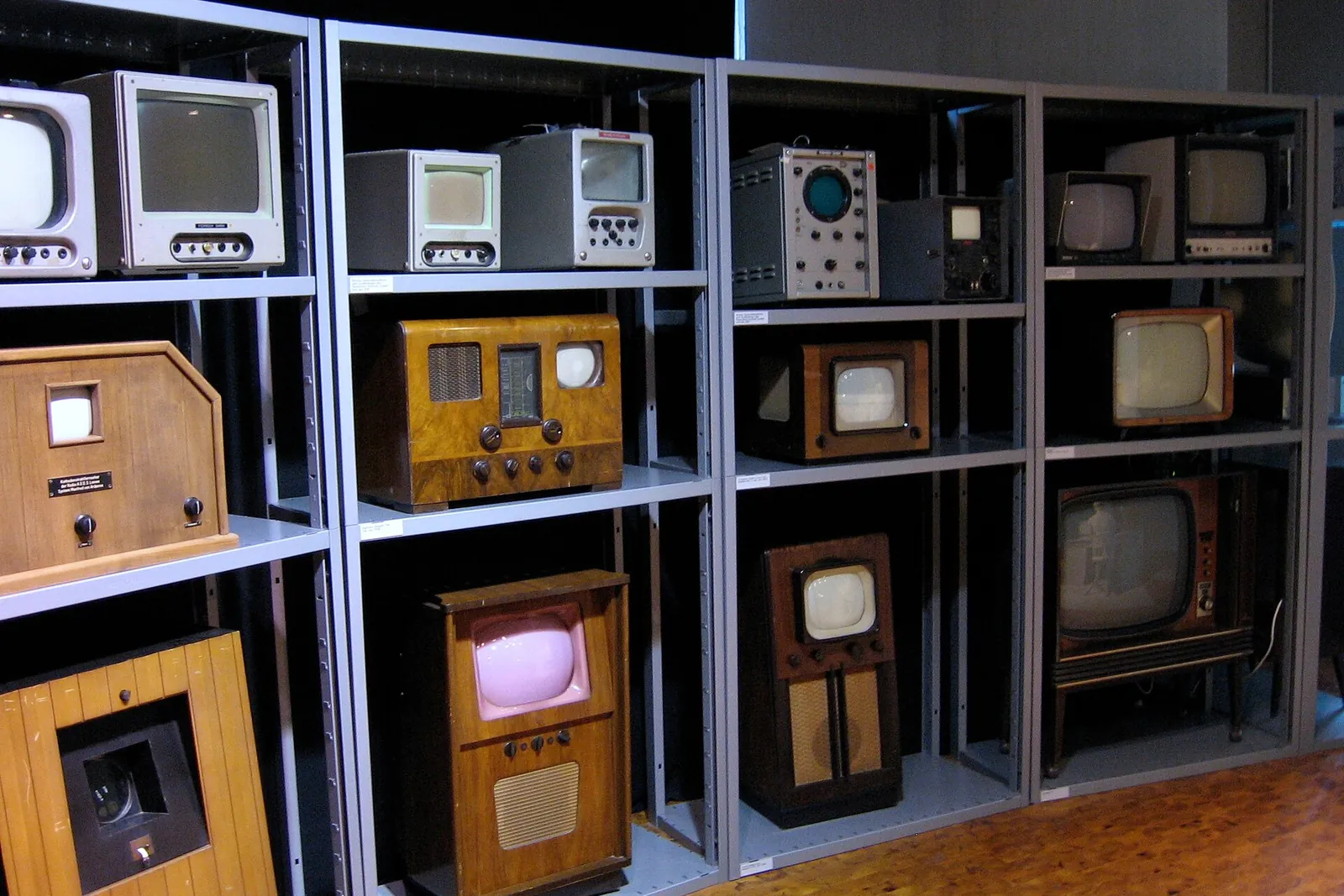
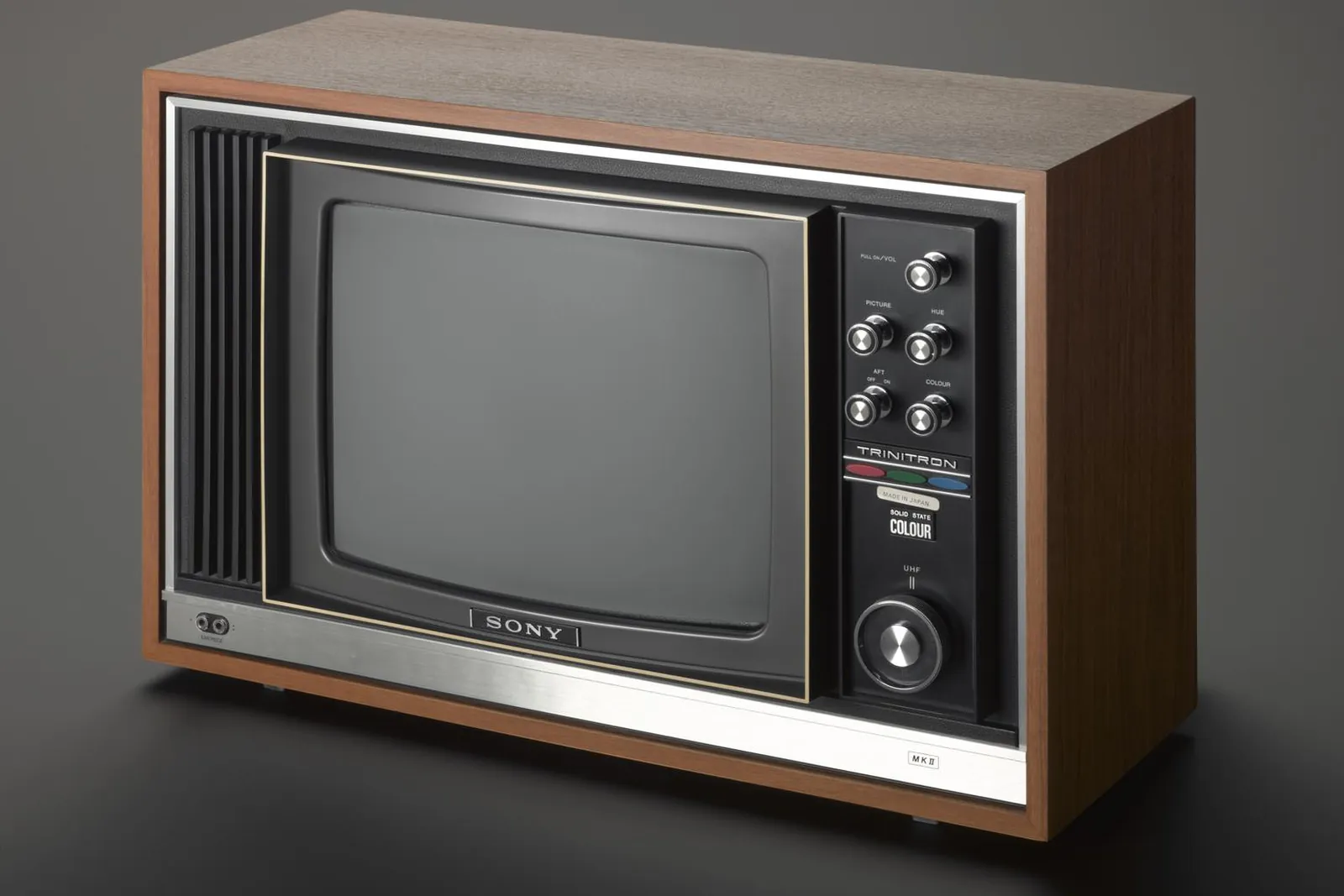
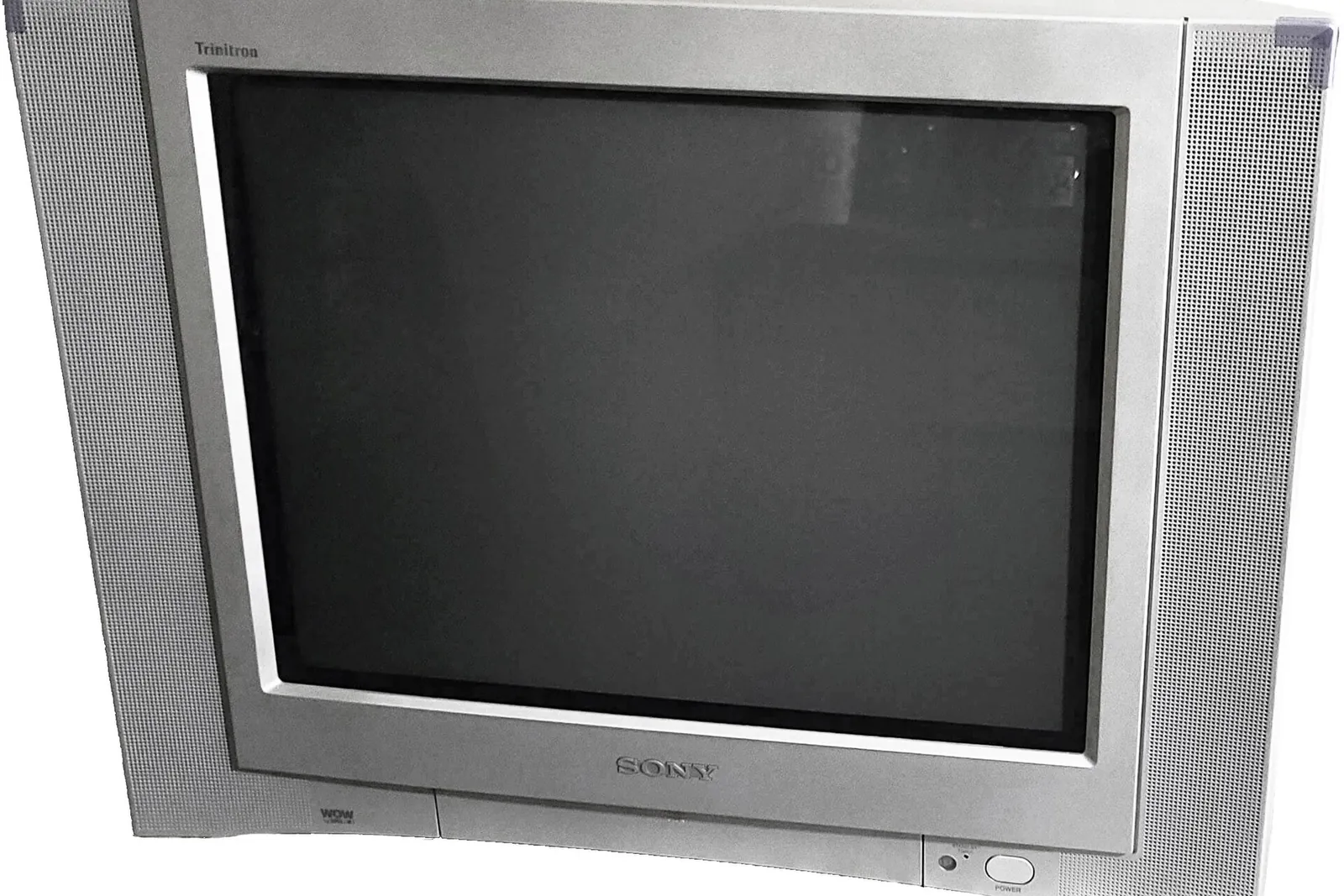
- Sony Trinitron televisionsKV series sets, including flat-tube FD Trinitron WEGA models such as the KV-27FS120 and the high-definition KV-34XBR960.
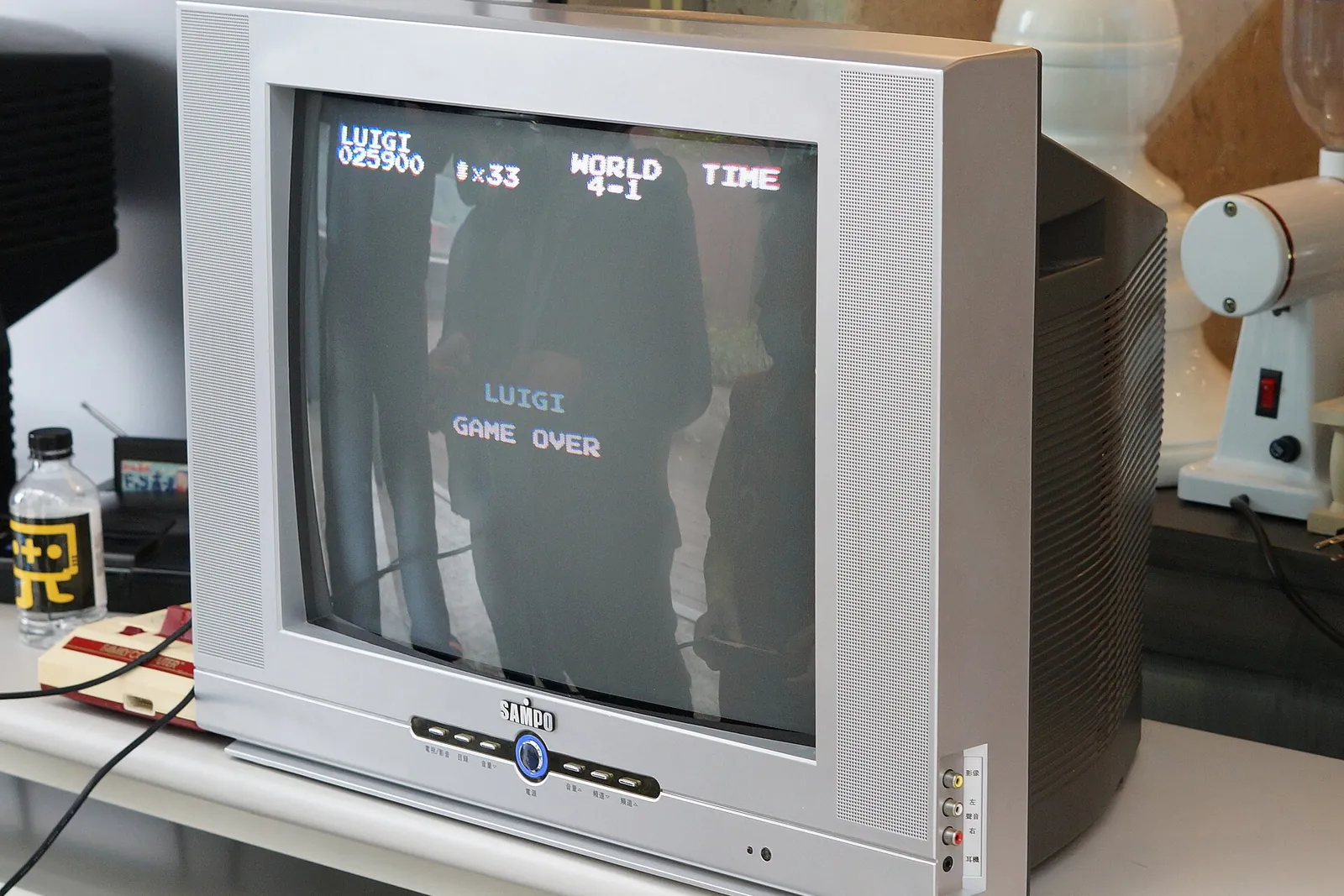
- Other CRT televisionsSets from JVC, Toshiba, Panasonic and other makers, especially those with component or S-Video inputs on the back.
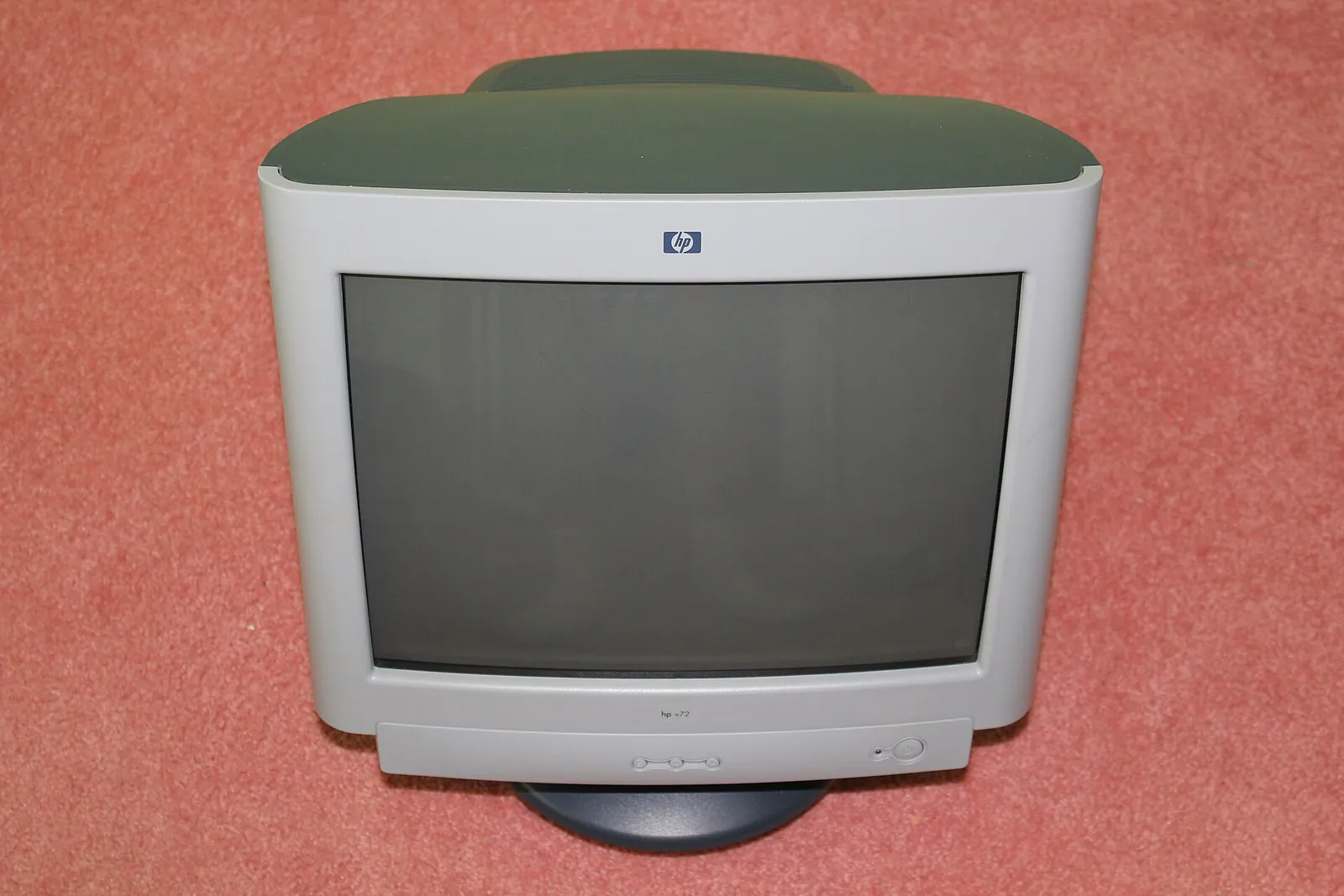
- PC CRT monitorsTrinitron and Mitsubishi Diamondtron tubes, and plain VGA monitors for older computers.
- Arcade monitorsOpen-frame monitors and chassis from arcade cabinets, such as Wells-Gardner and Nanao units.
Why people still want CRTs
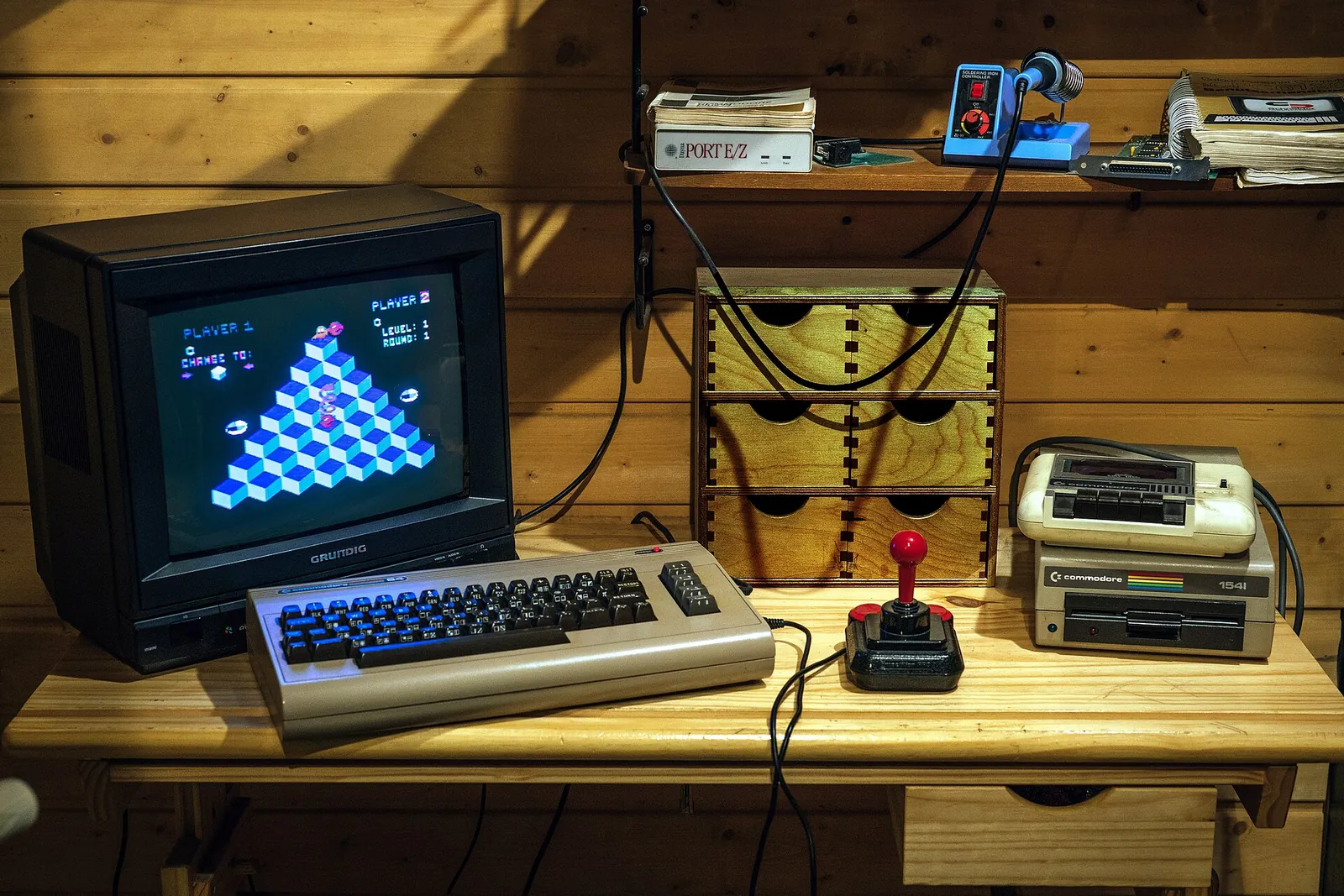
Older game consoles were designed for the way a CRT draws its picture, line by line. Their 240p output shows as clean scanlines, the picture appears without the processing delay many flat panels add, and light gun games such as Duck Hunt only work on a tube.
Professional monitors were built for broadcast and editing, with sharper tubes and RGB and component inputs. Video producers, repair hobbyists and collectors look for them.
We pay for professional monitors
We buy Sony PVM and BVM monitors, comparable models from JVC, Ikegami, Panasonic and NEC, and rare PC monitors such as the GDM-FW900. They turn up in television stations, school media rooms, hospitals and churches.
We take ordinary working CRT televisions and monitors for free, though not every set. For a professional or rare model, the offer depends on model, condition and tube wear. Send us:
- Brand and model number: copied from the label on the back.
- Screen size: measured diagonally across the glass.
- Condition: whether it powers on and shows a picture, and any damage.
- Photos: the front, the back label, and the screen switched on if you can.
If the set does not work
We are looking for working CRTs. A set with a fault may still be worth repairing, so describe the fault and ask. We do not promise to accept broken sets. If one is beyond repair we will say so, and it should then go to a local electronics recycling program.
We collect CRTs to repair them and put them back into use. We are not a certified electronics recycler, and we do not dispose of sets or process CRT glass.
Why a CRT should not go in the trash
The glass in a picture tube contains lead, mostly in the funnel behind the screen. Pennsylvania's Covered Device Recycling Act bars televisions and computer monitors from household trash. West Virginia law lets county and regional solid waste authorities prohibit televisions and monitors from landfills. Ohio EPA points residents to electronics recycling programs.
How to move a CRT safely
- Leave the case closed: the tube can hold a high-voltage charge long after the set is unplugged.
- Carry it face toward your body: most of the weight is in the front glass.
- Never lift by the neck: on an open-frame or arcade monitor, the narrow rear of the tube is the most fragile part.
- Keep it dry: store it indoors until handover.
How it works
- Tell us what you have. Email [email protected] or call (412) 556-7007 with the details above.
- We answer. We say whether we can take it and, for professional and rare models, what we offer. We reply within one business day.
- Drop off or pickup. Drop-off is by appointment in Coraopolis, PA or Parma, OH. Pickup is arranged for larger lots and for professional monitors.
- Back into use. We test each set, repair what we can and rehome it.
Where we collect
Coraopolis is the drop-off for Pittsburgh and Western Pennsylvania, and the closer one for Weirton, Steubenville and the upper Ohio Valley. Parma is the drop-off for the Cleveland area and Northeast Ohio. Both are by appointment. Pickups are arranged around the lot.
Questions about CRT collection
Do you pay for every CRT?
No. We pay for professional and rare models and take ordinary working sets for free.
Will you take a CRT that does not turn on?
Possibly. Tell us what happens when you switch it on, and we will say whether it is worth repairing.
Do you want flat panels or projection sets?
No. We collect picture tube televisions and monitors only.
Is there a drop-off in Ohio or West Virginia?
In Ohio, yes: Parma, by appointment. There is no drop-off in West Virginia. Coraopolis is the closest, and we arrange pickup for larger lots.
Who it is for
- Households with a working tube television in the basement or attic
- Schools, churches and studios with video monitors in storage
- Businesses clearing out old PC monitors that still work
- Arcade owners and collectors thinning out a collection
Terms worth knowing
If you are describing a set to us or hooking one up, these guides explain the words on the back panel.
- CRT displays: how a picture tube works and why old games look right on one.
- RGB and sync on green: the inputs on a PVM or BVM and why the wrong sync type shows no picture.
- SCART and S-Video: the connectors that carry a cleaner signal than the yellow composite plug.
- OSSC: a way to connect an old console to a modern screen when no CRT is available.
- LCD and OLED and QLED: how flat panels differ from a tube.
Related guides
Plain-English explanations from our knowledge base.
CRT displaysRGB and sync on greenSCARTS-VideoOSSCLCD displaysOLED and QLED
Tell us what is sitting in your basement
Email the details and a few photos to [email protected], or call (412) 556-7007.
Start a conversation